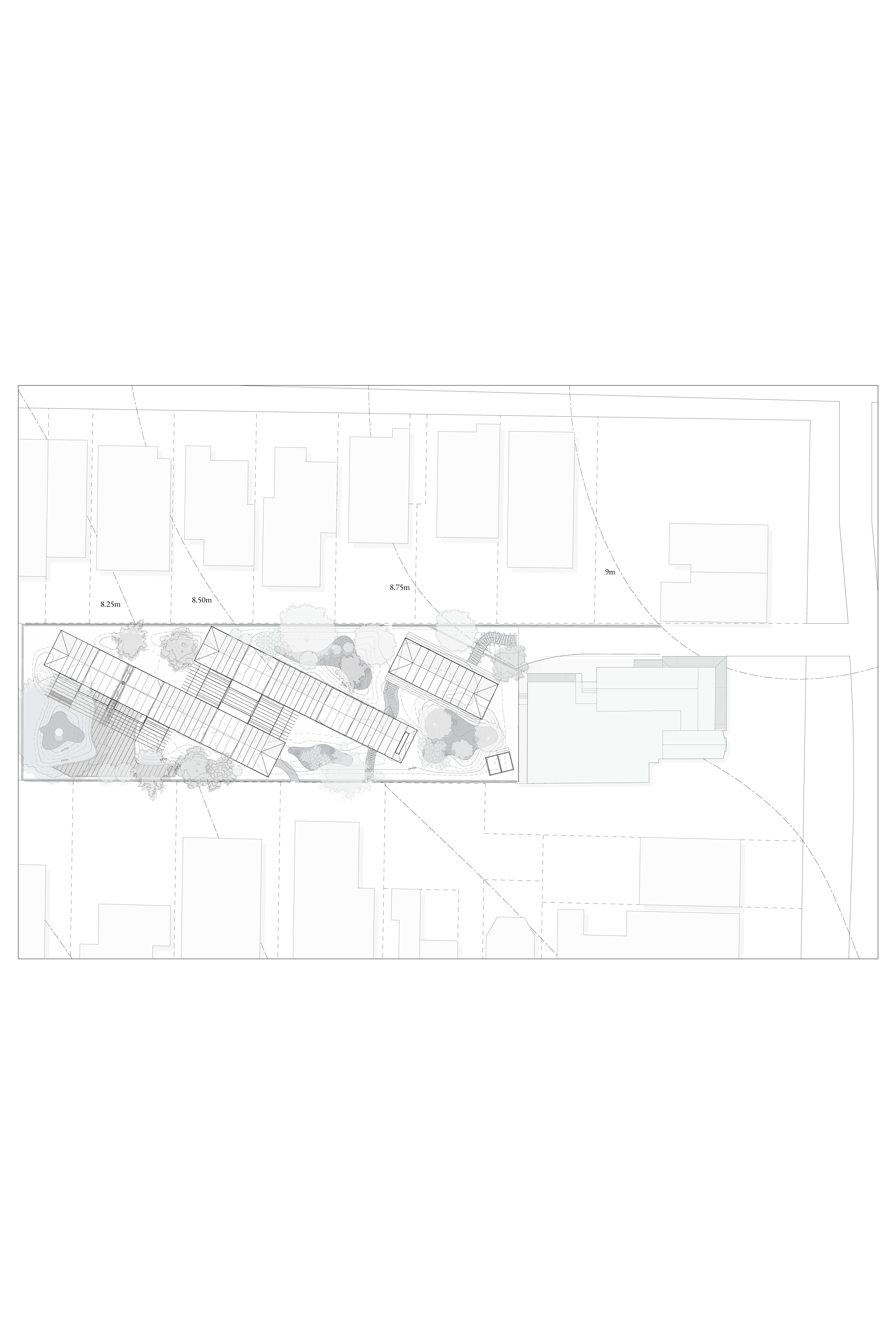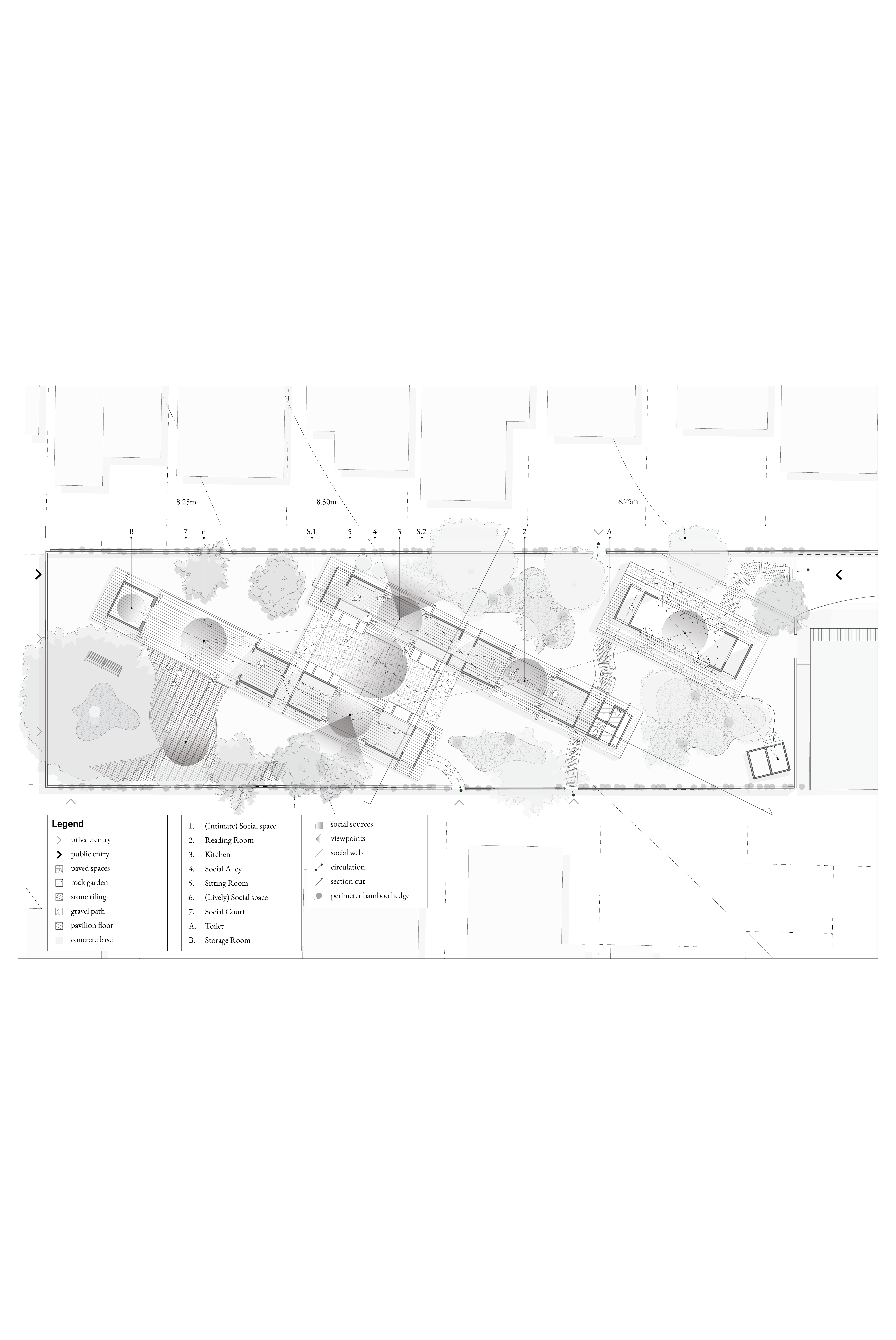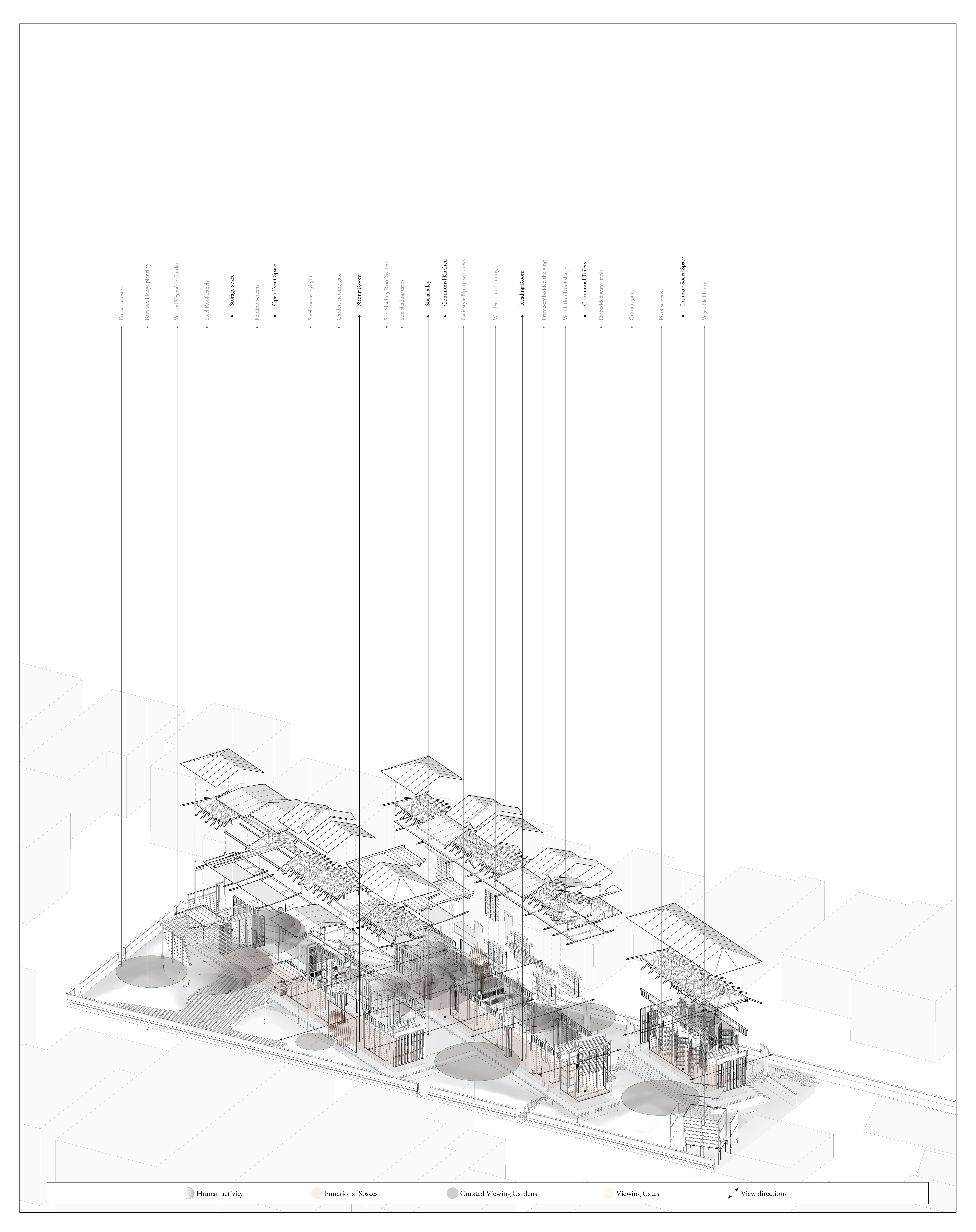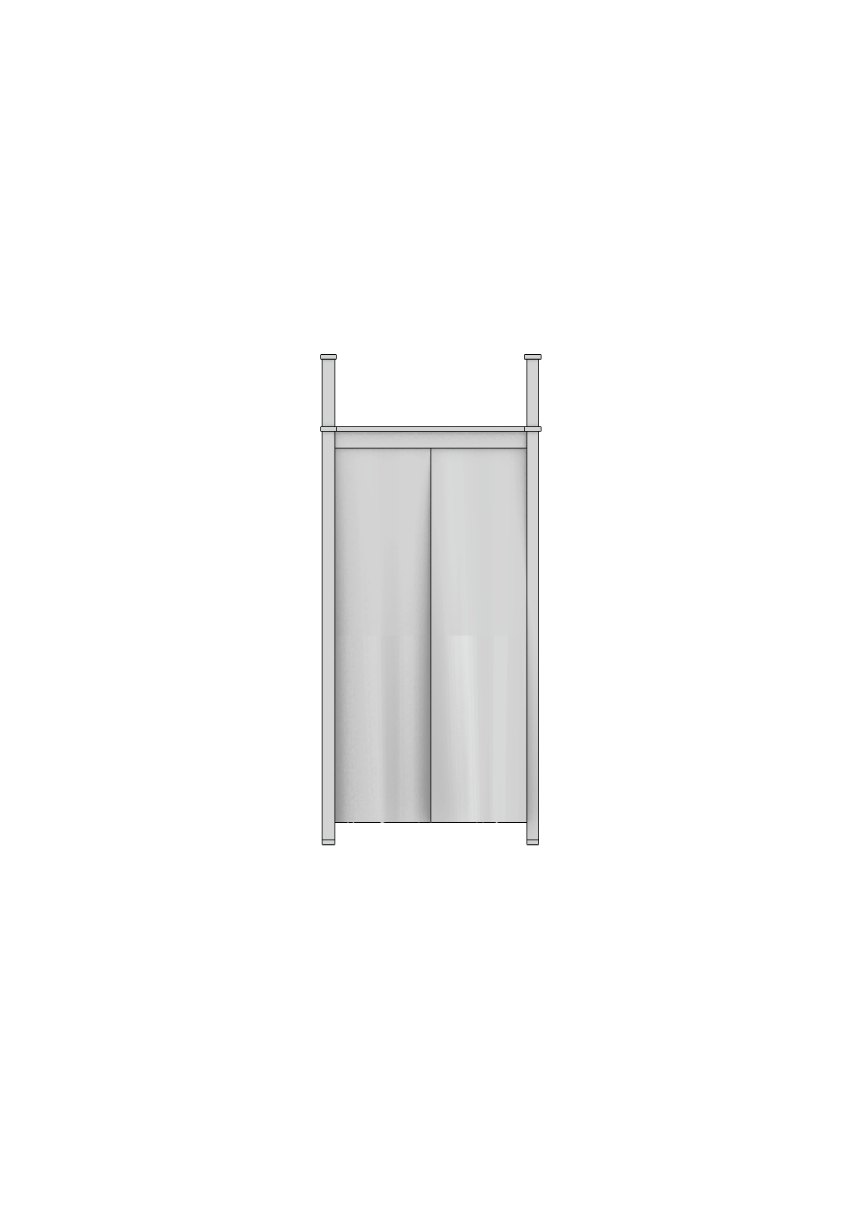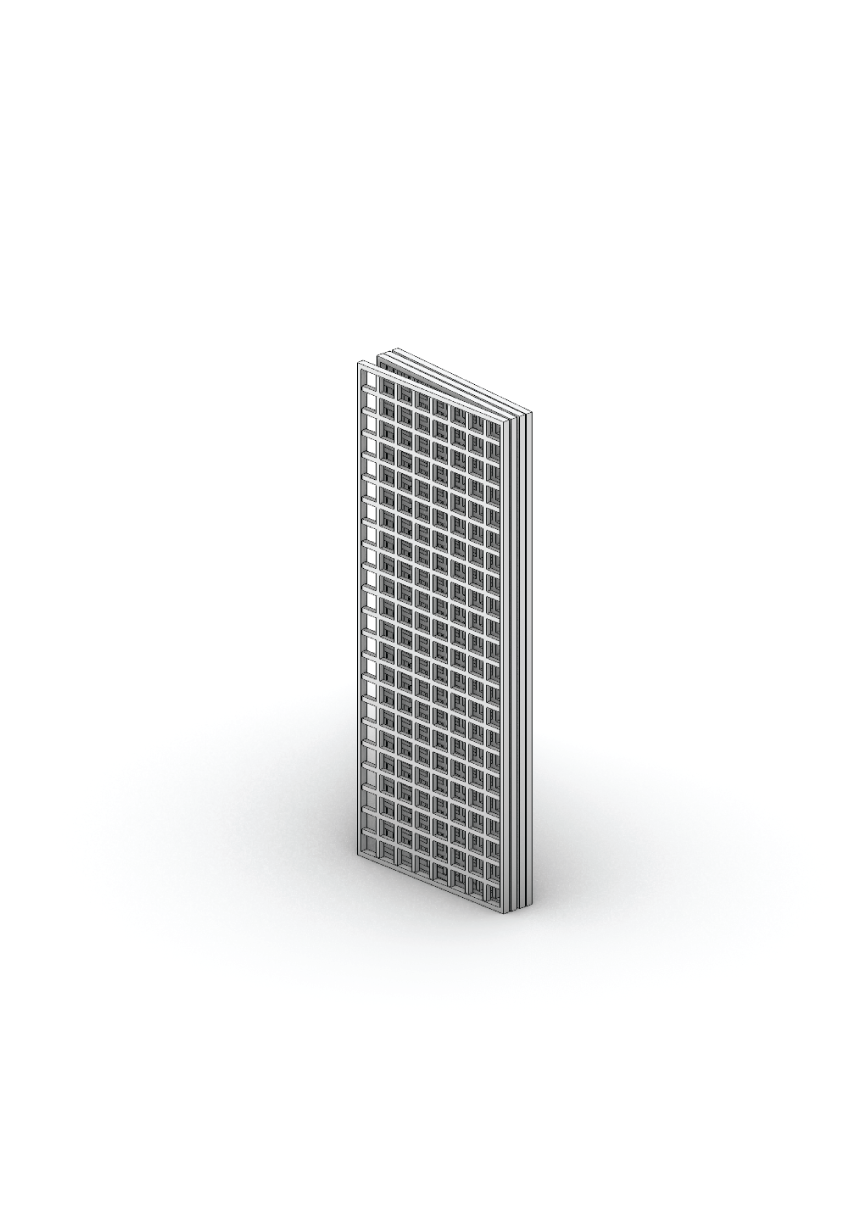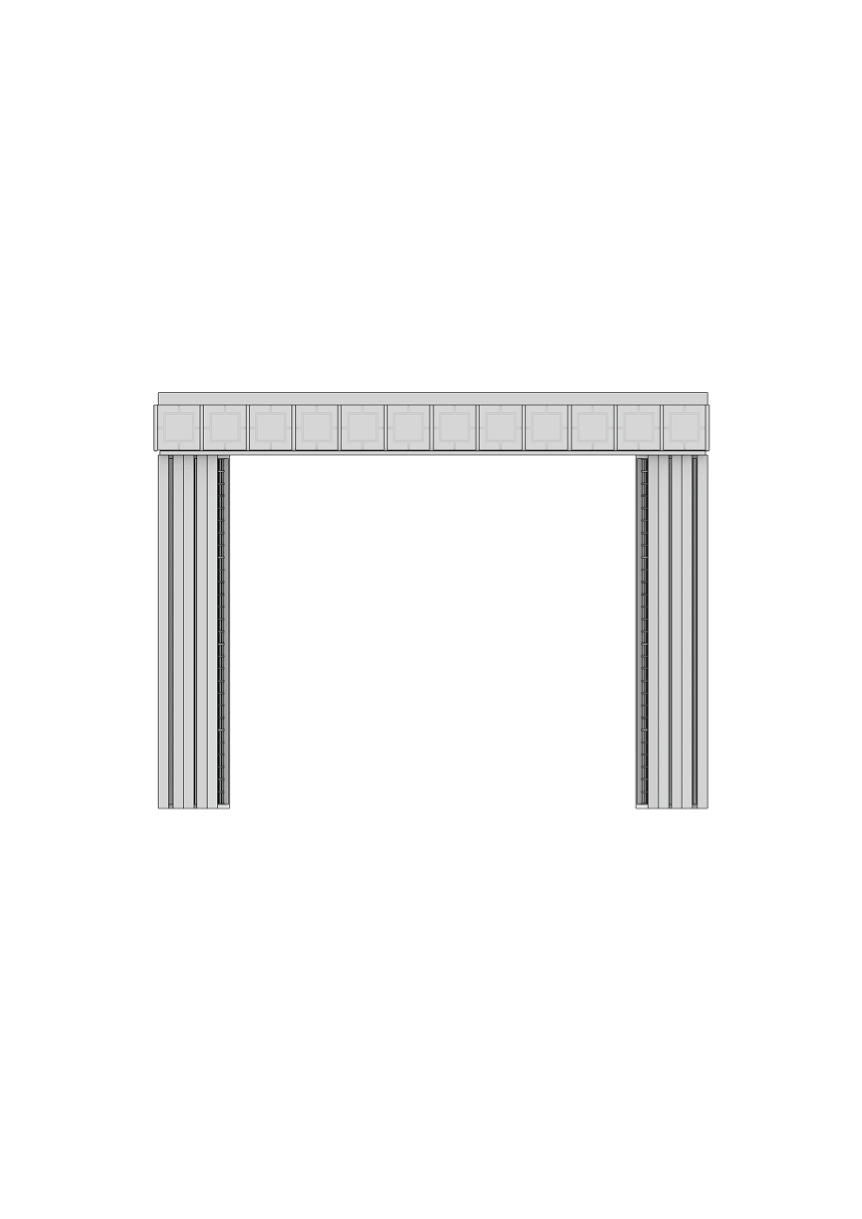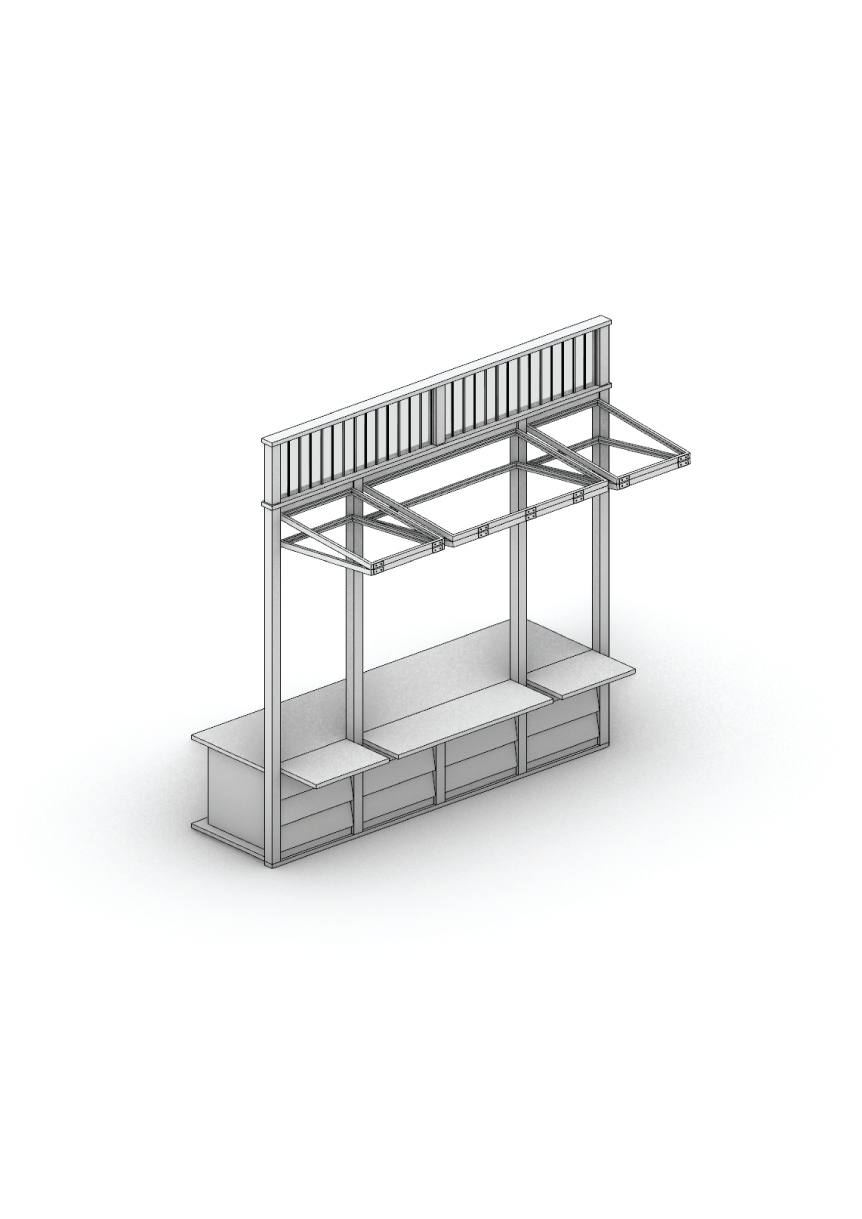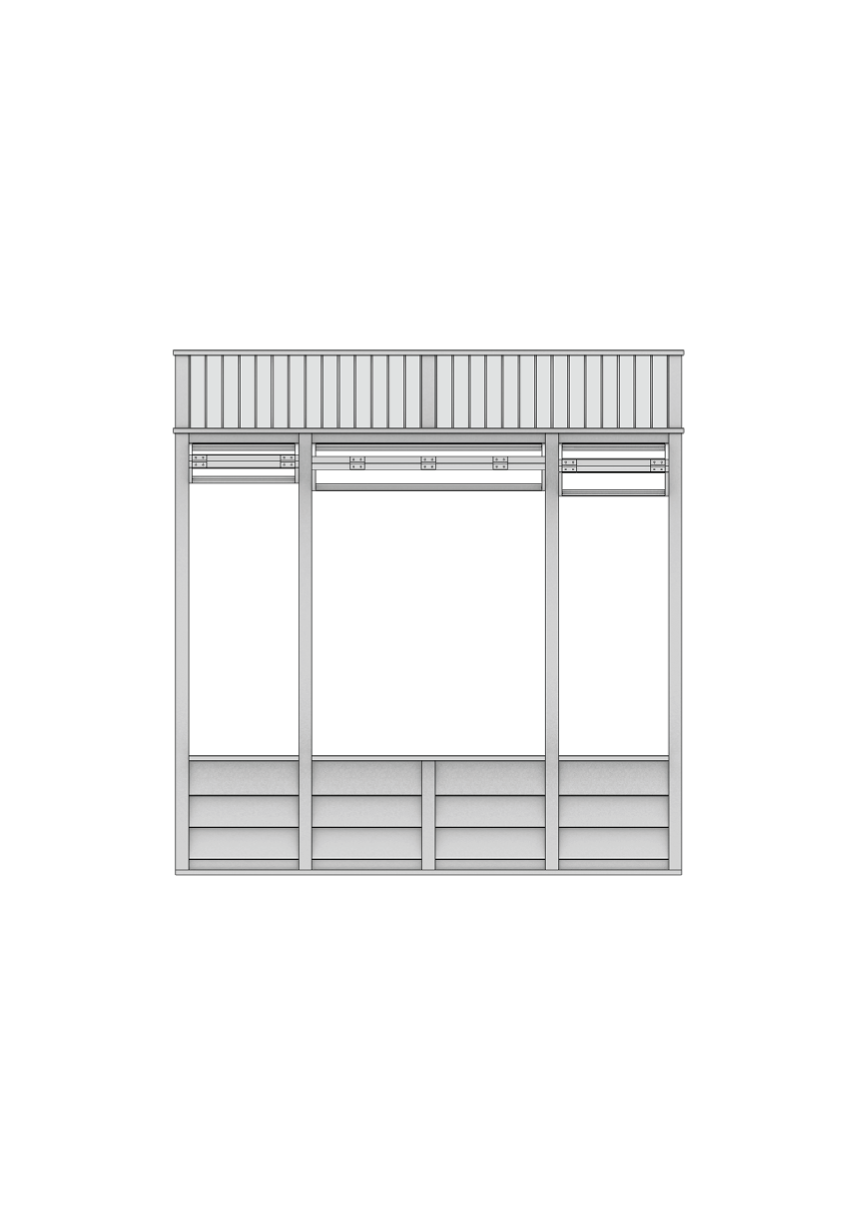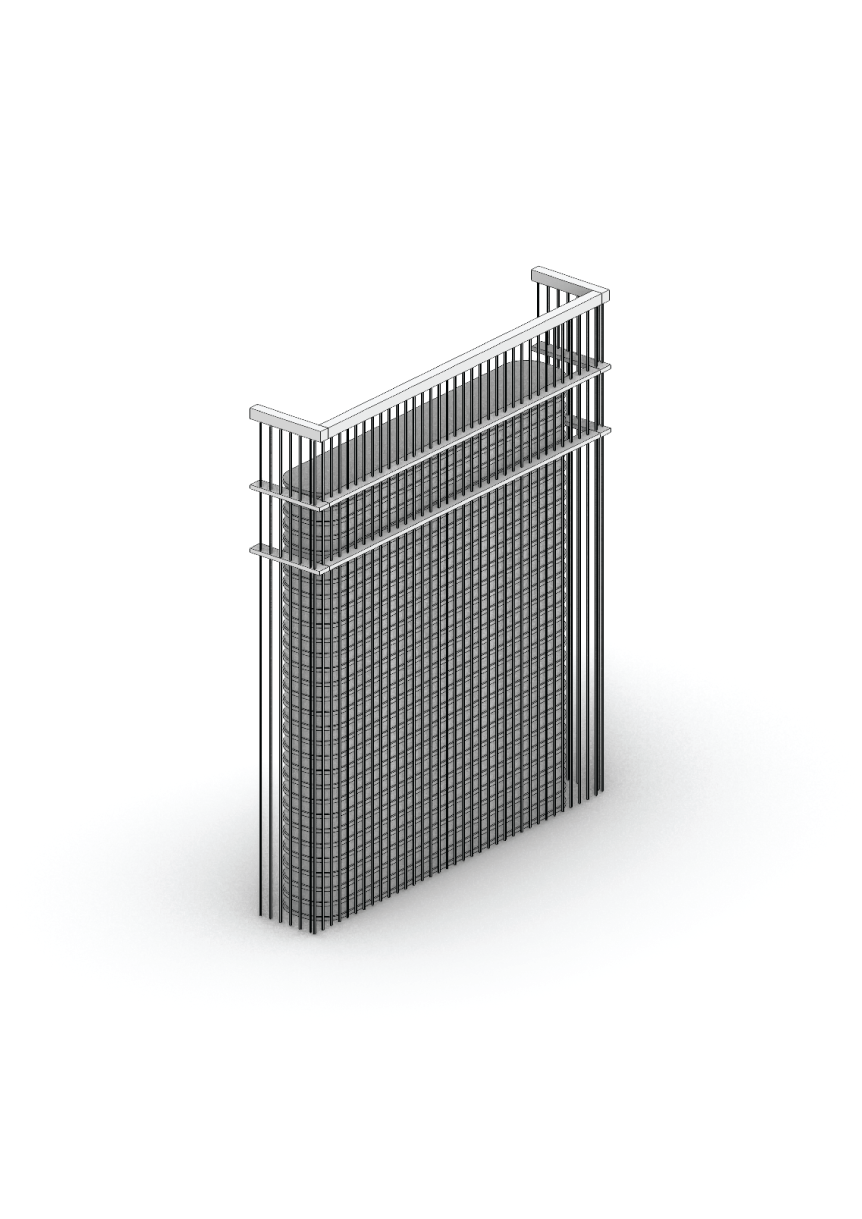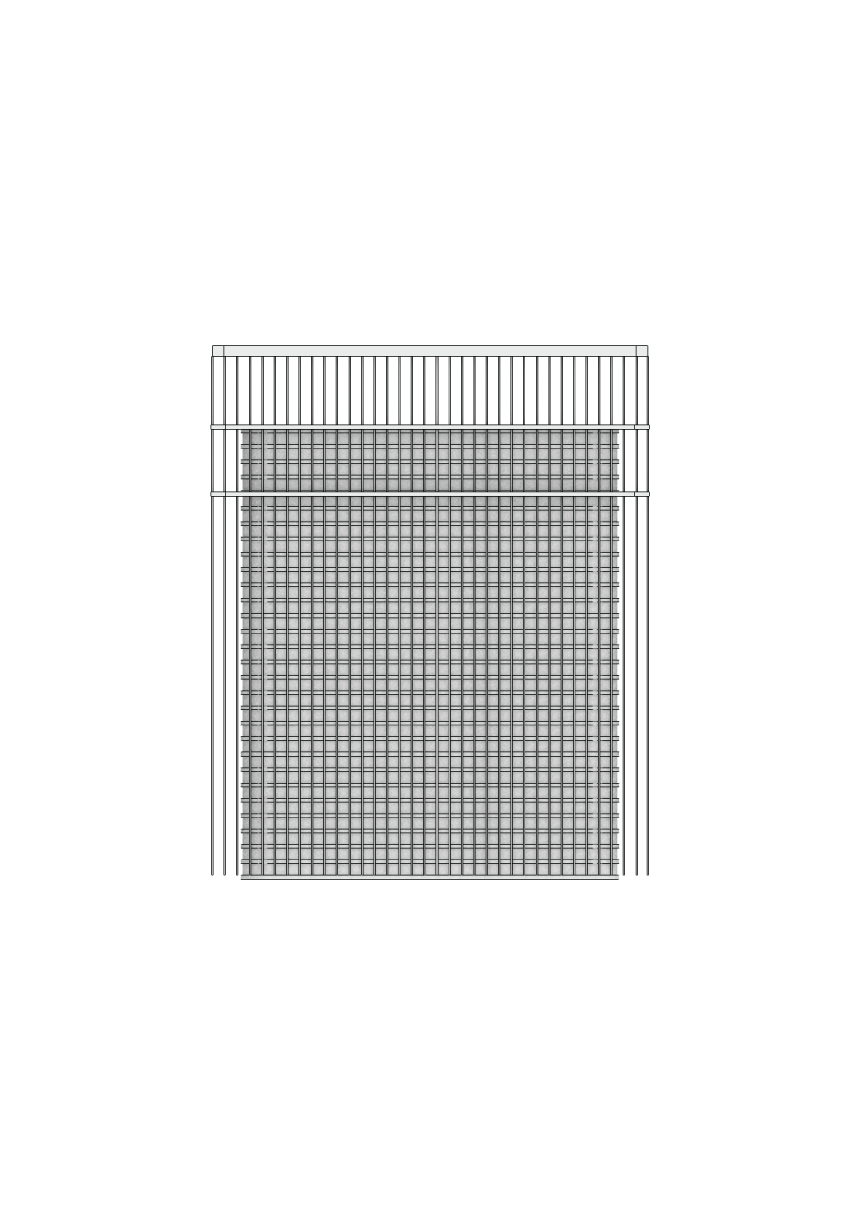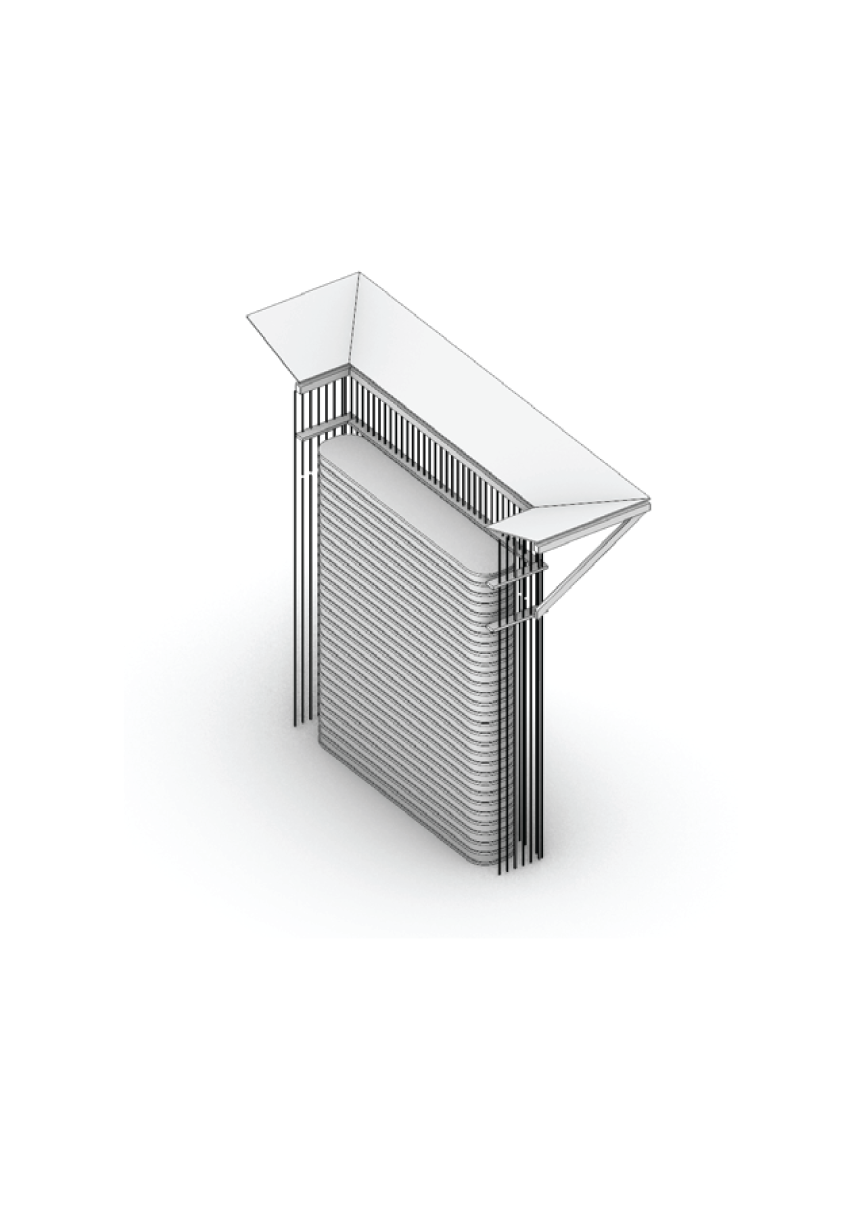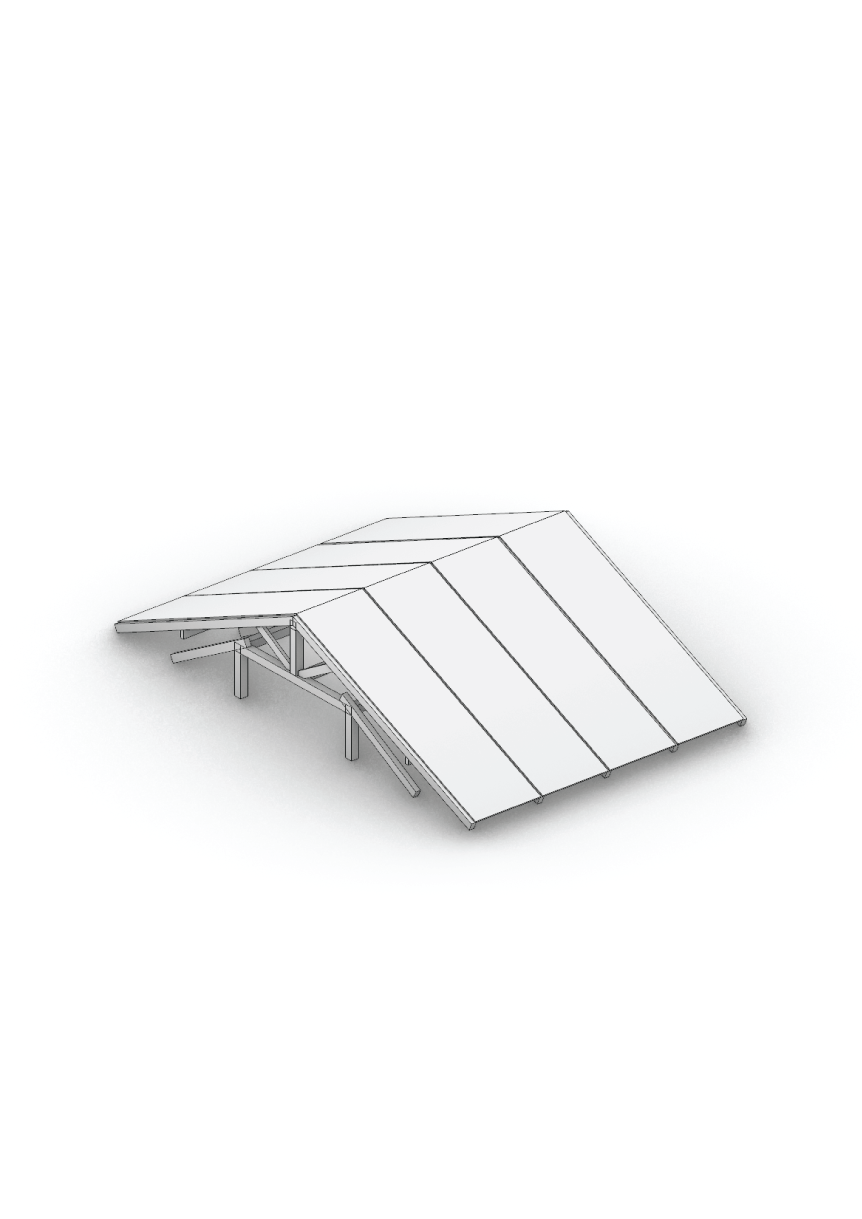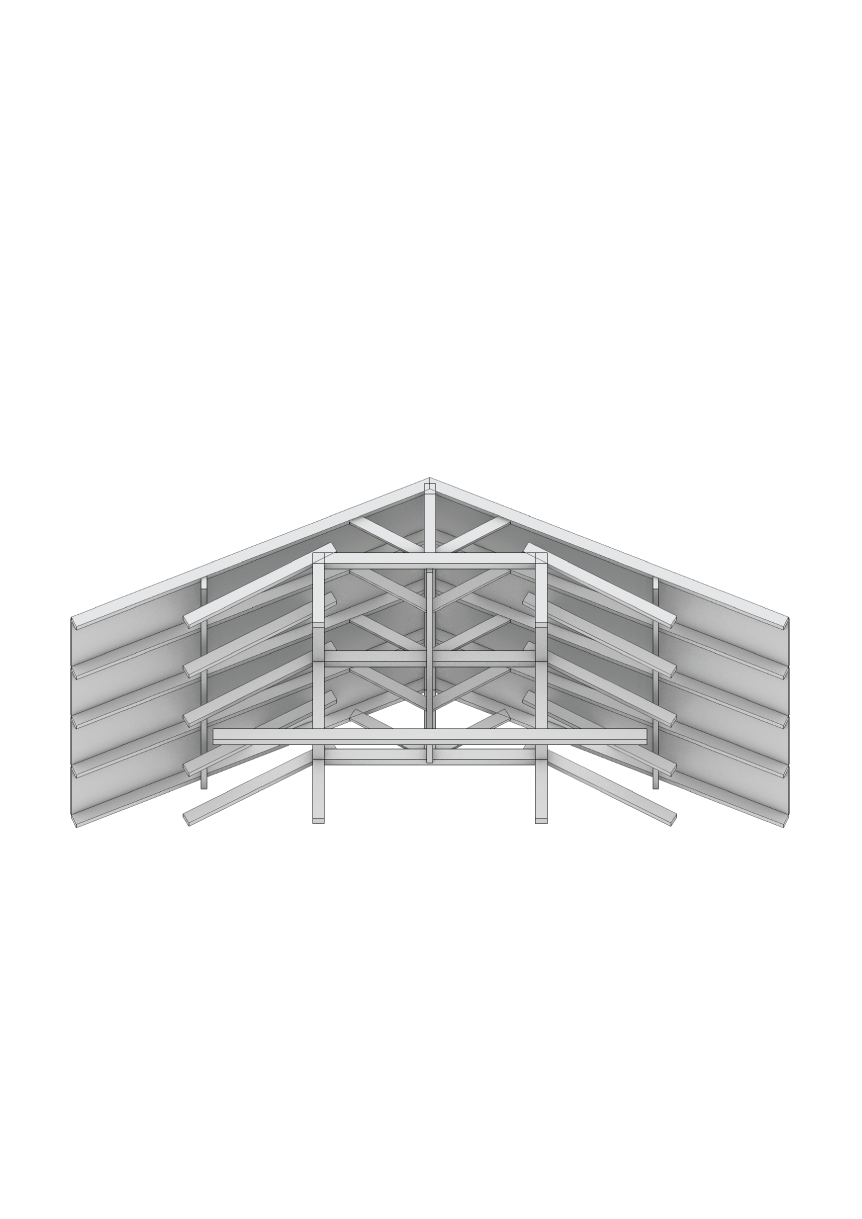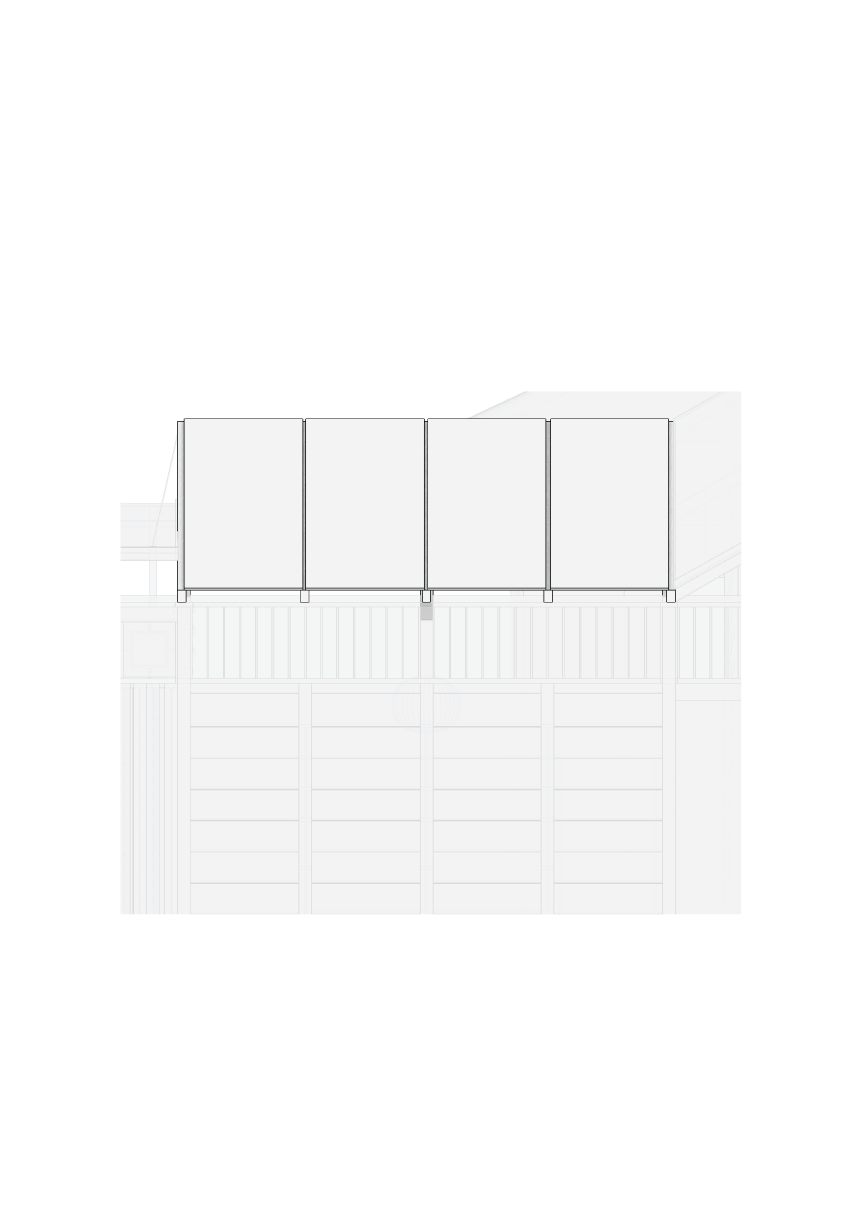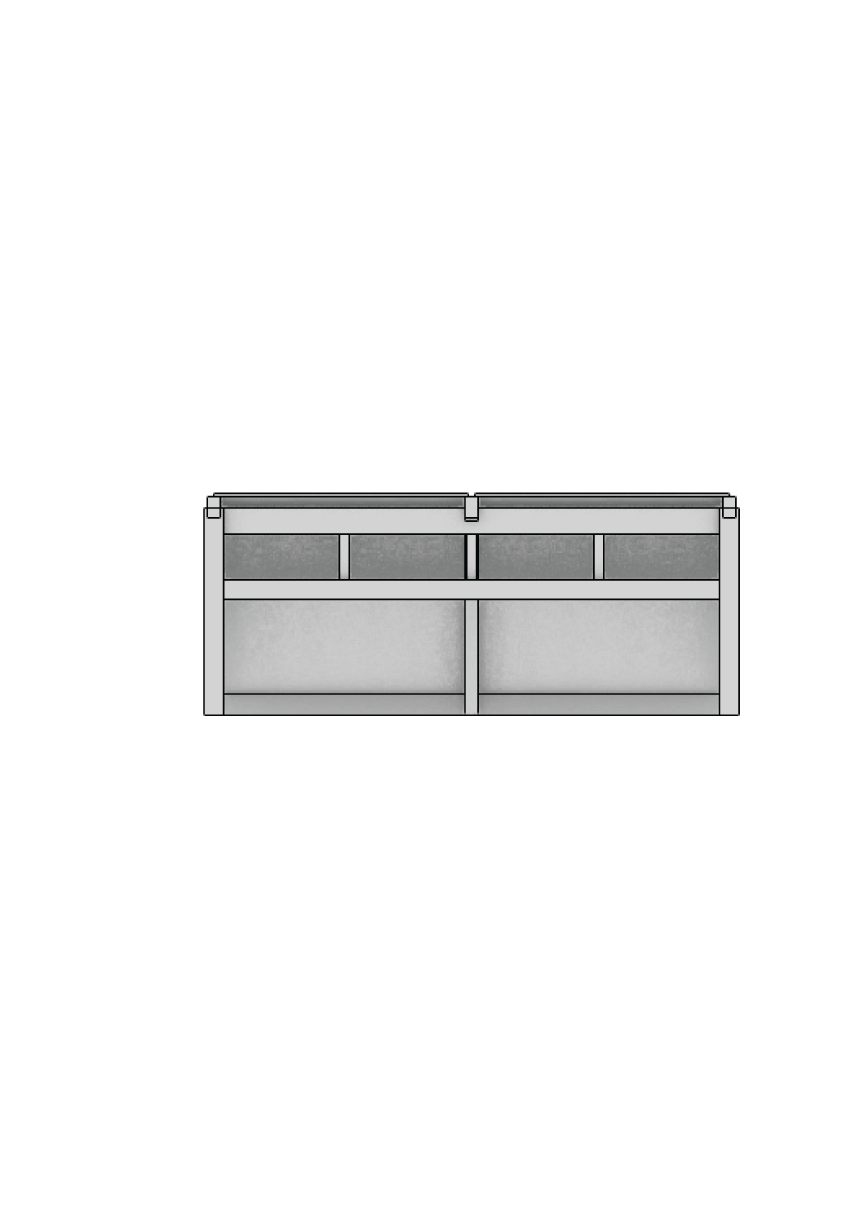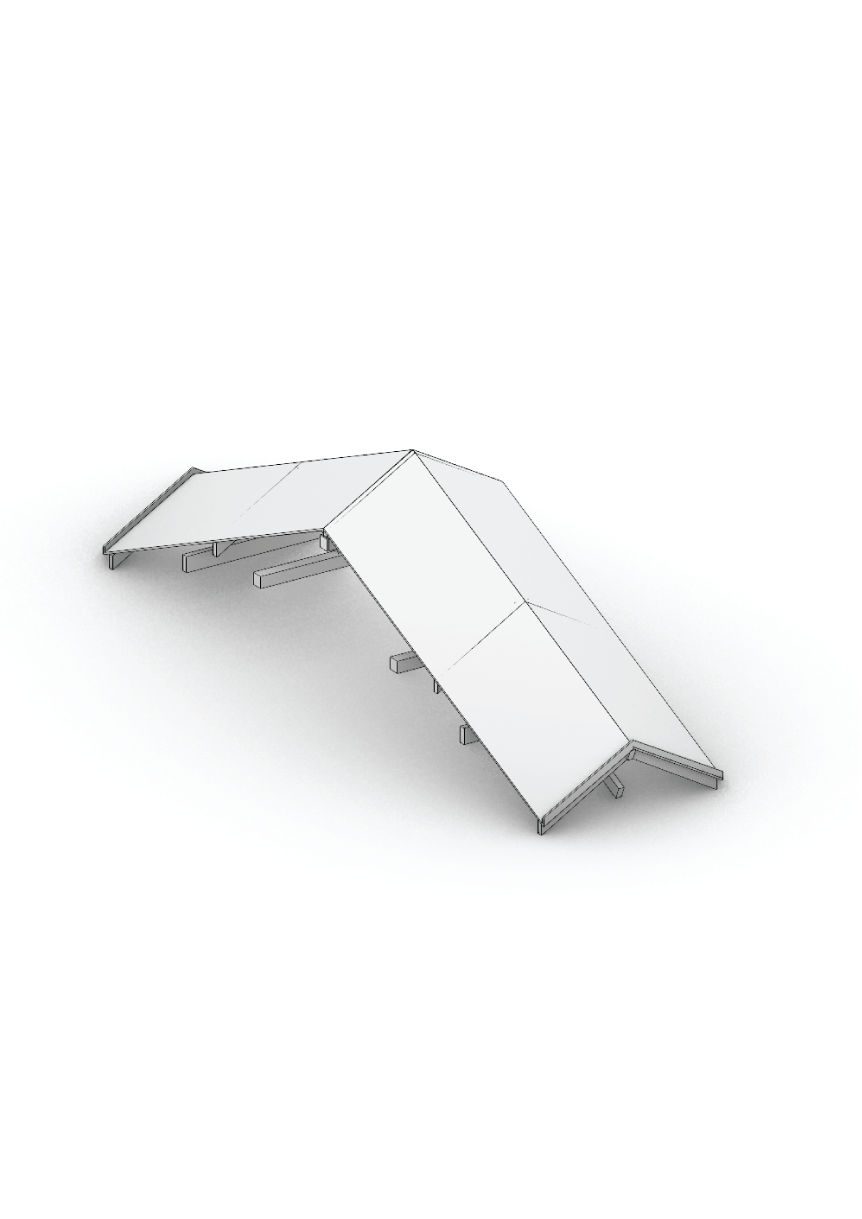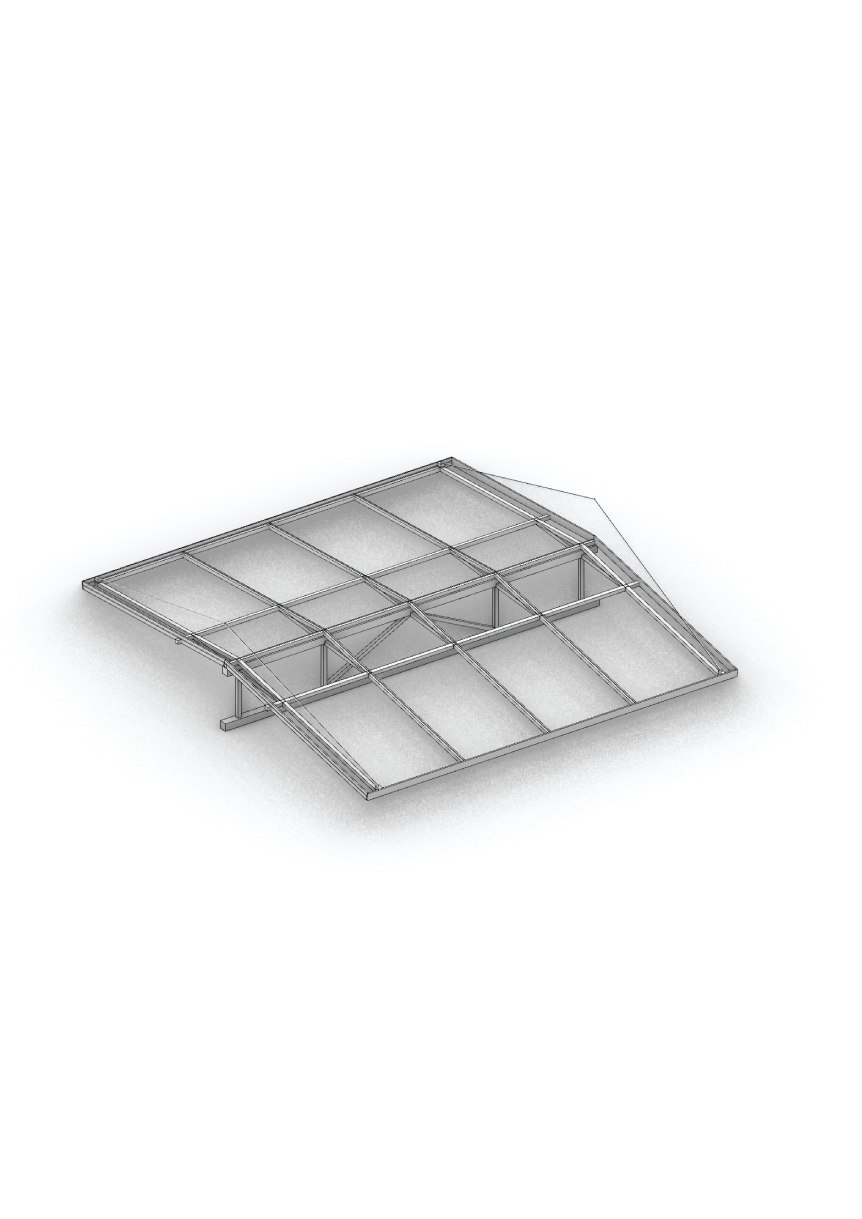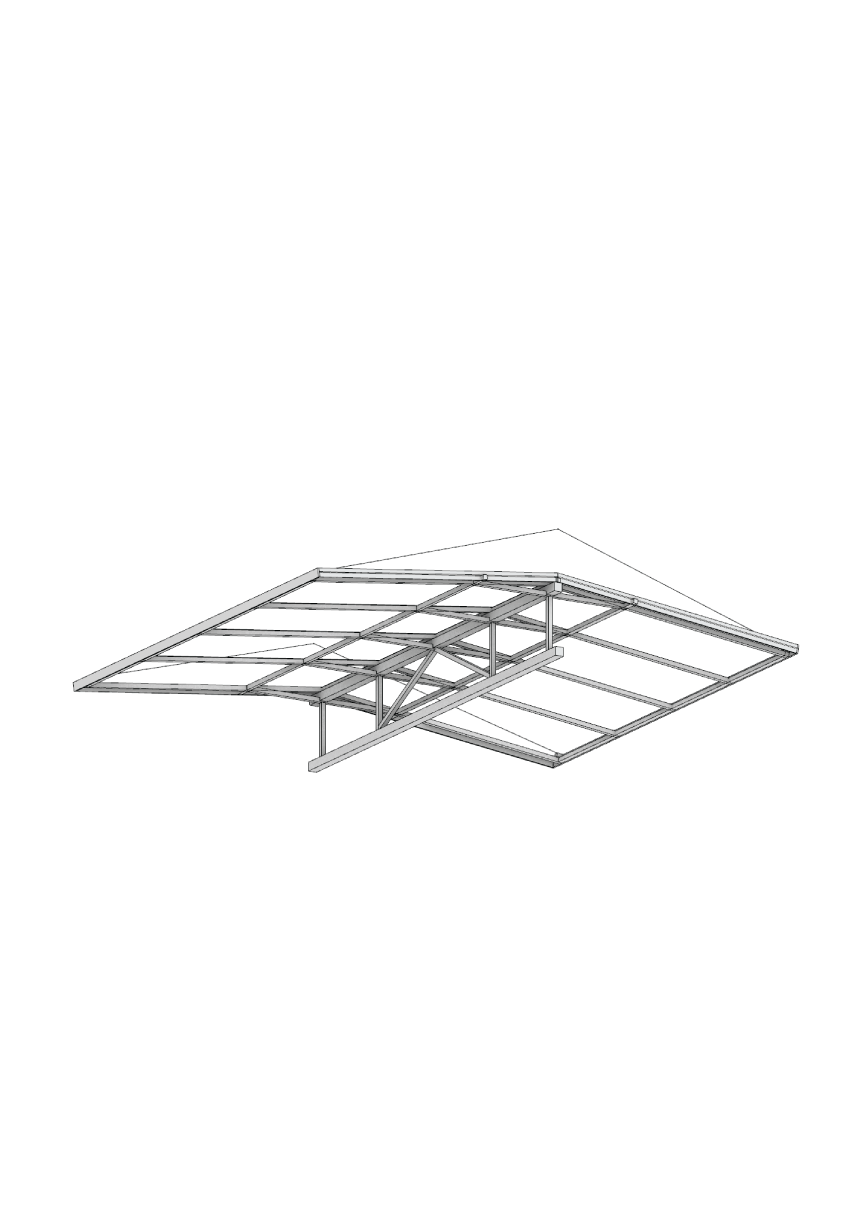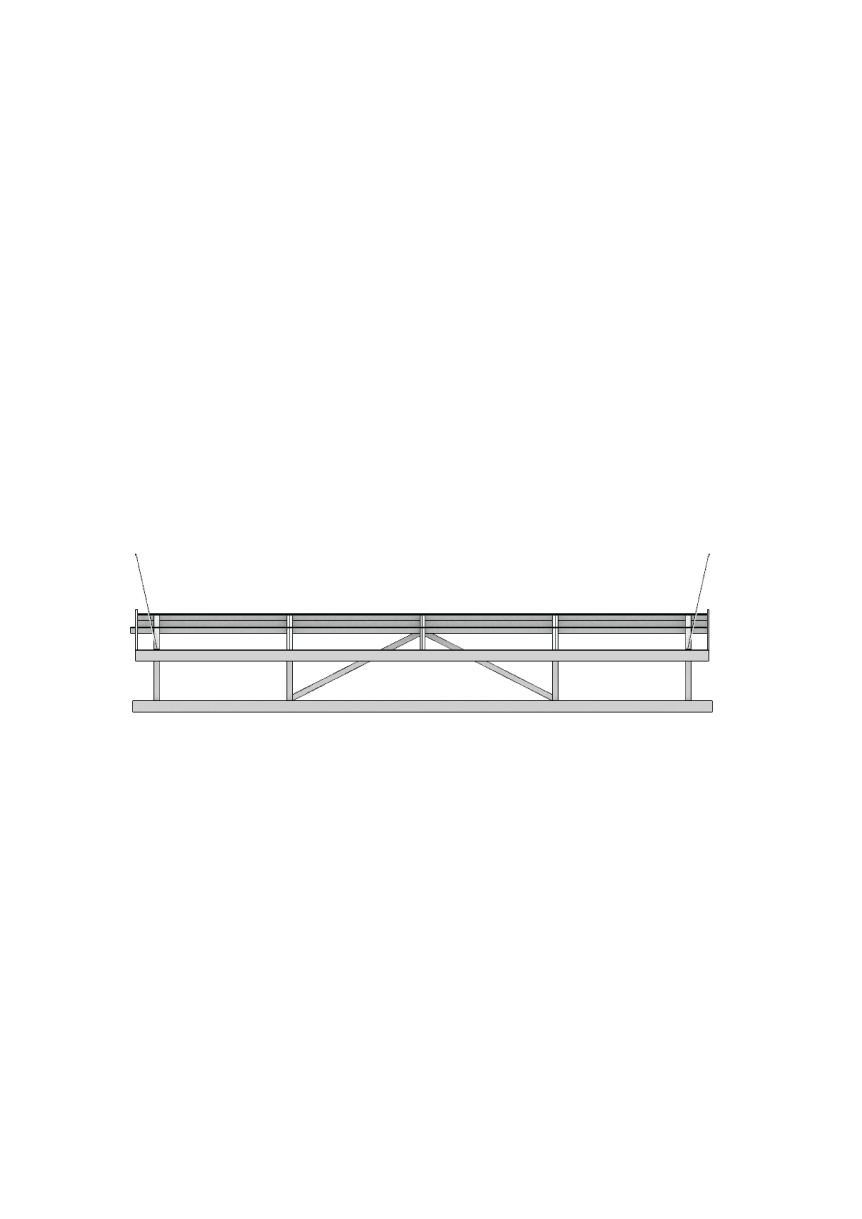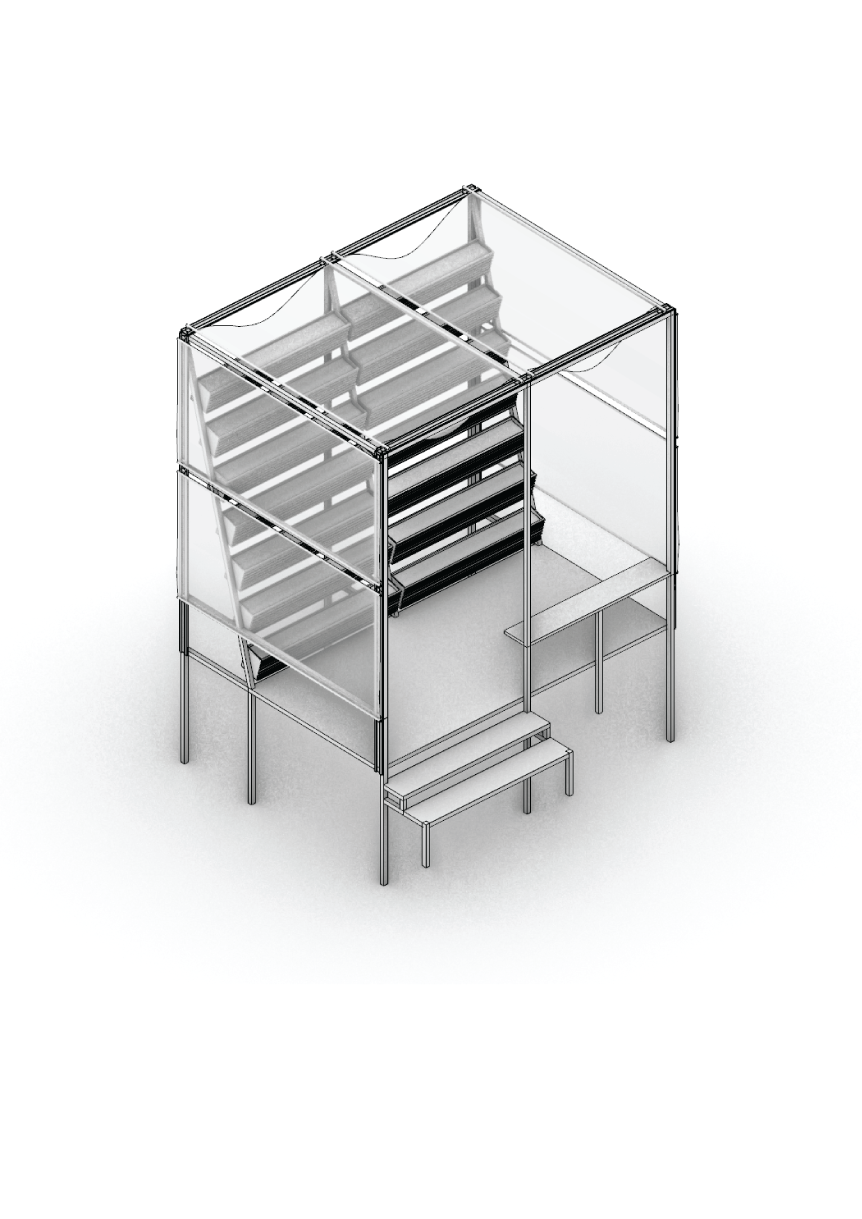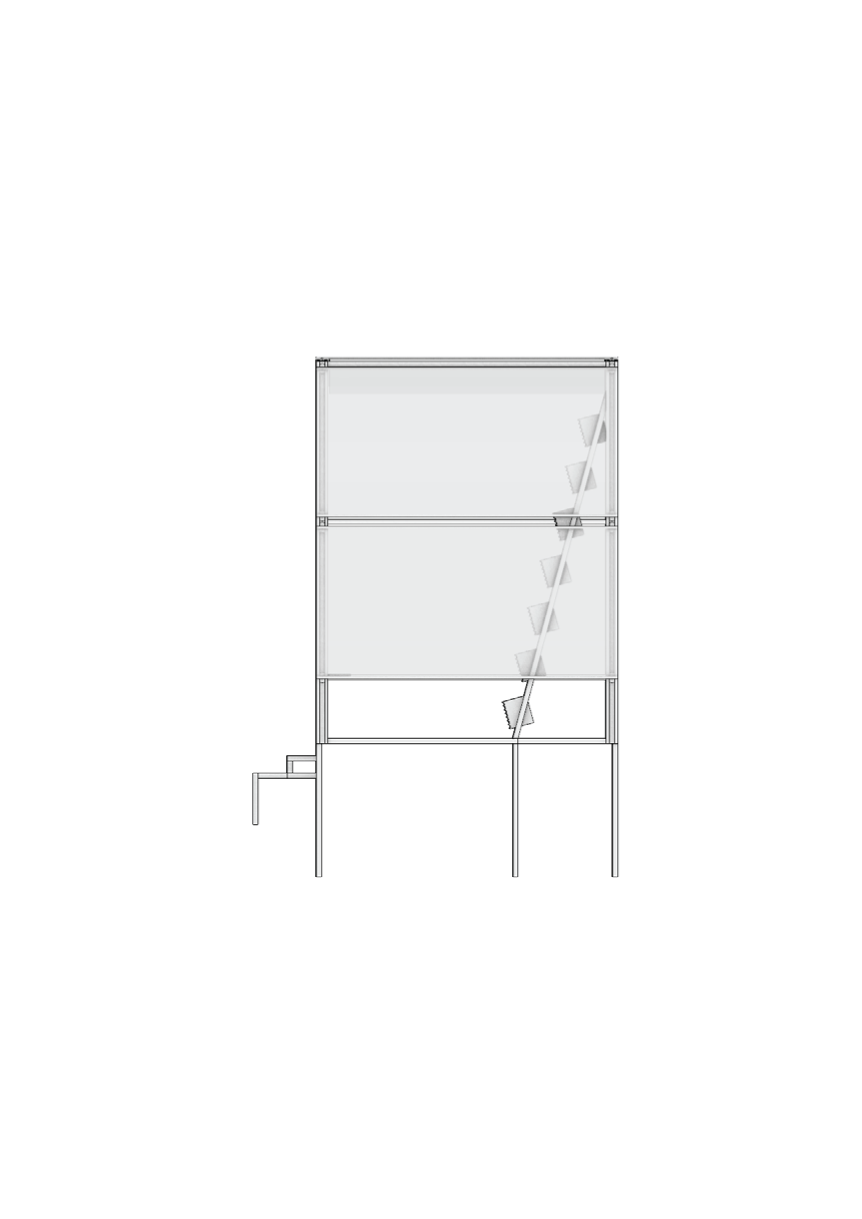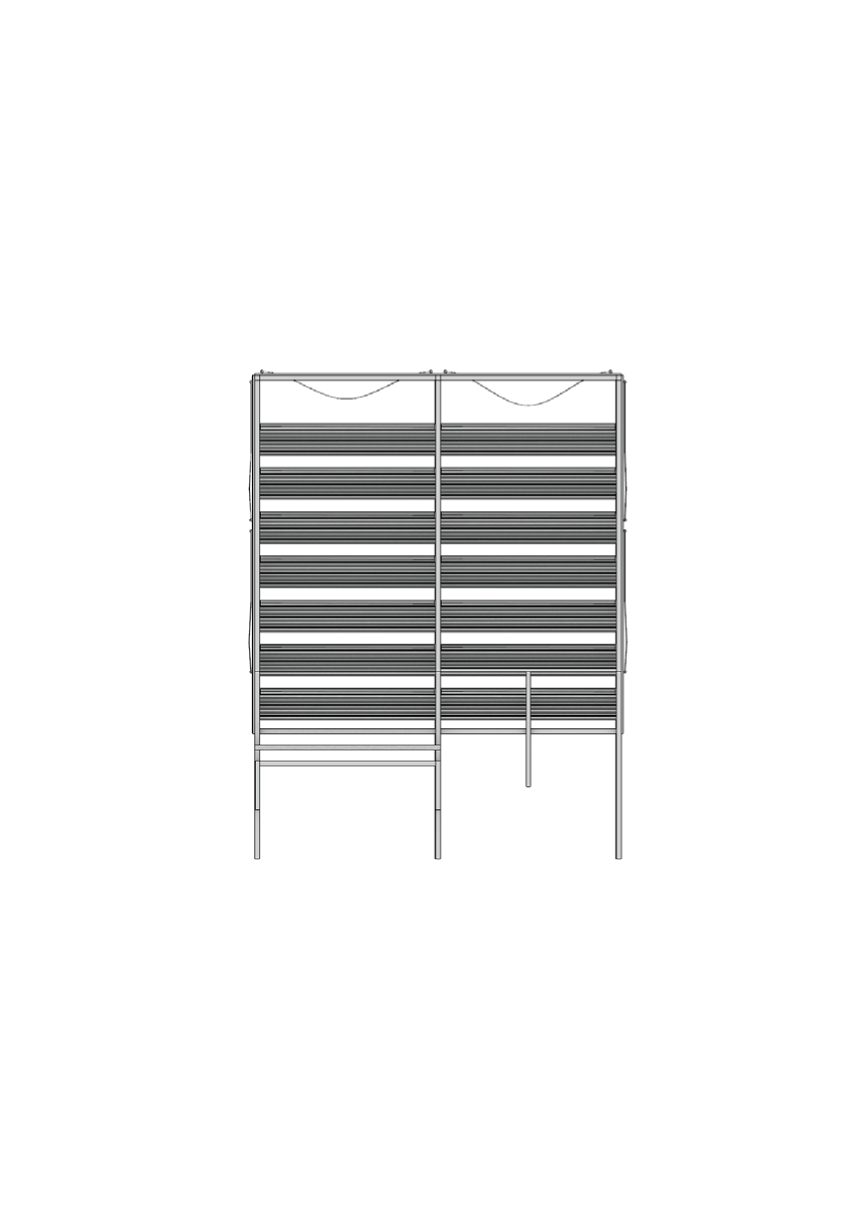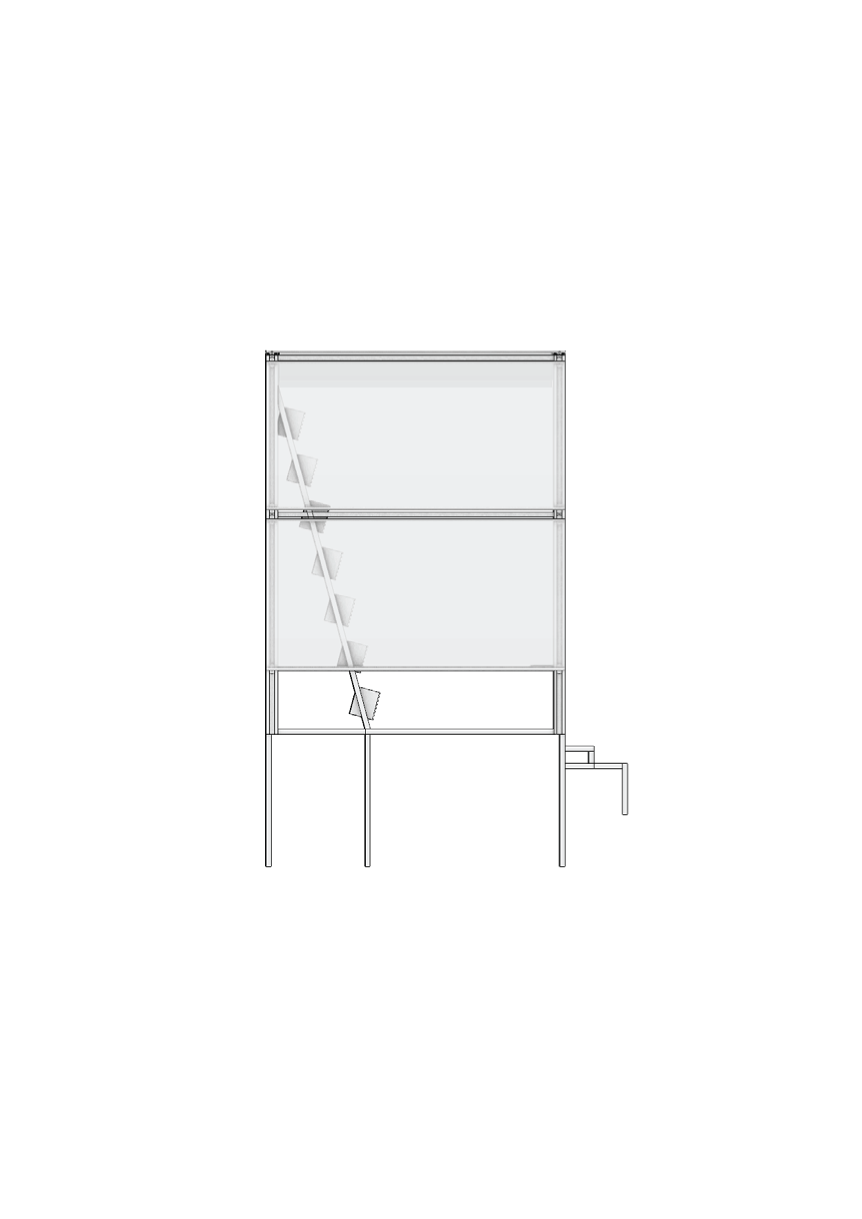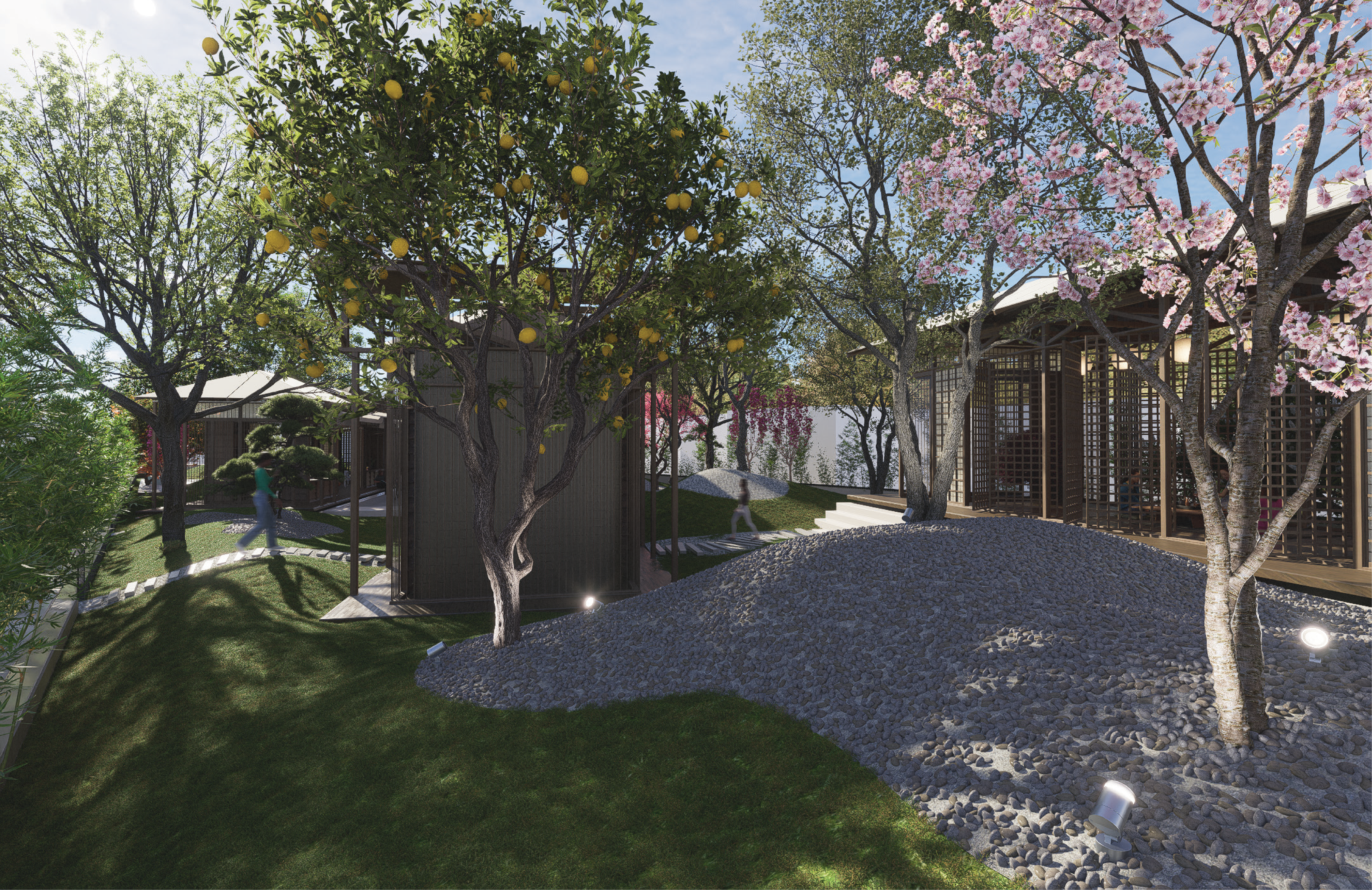
This project proposes a spatial intervention at Elwood Community House Reserve, not as a revival, but as a considered extension of the existing site. It seeks to enrich the current communal function by reinterpreting the notion of the communal and pleasure garden. Rather than replacing the familiar, the project aims to deepen and diversify the experience of shared public space. The design is structured around two cardinal axes, each representing a core value: the zonal (East–West) axis embodies Community, while the meridional (North–South) axis expresses Pleasure. This orientation creates a spatial framework through which visitors can physically and experientially navigate the evolving definitions of community and pleasure within an urban garden context.
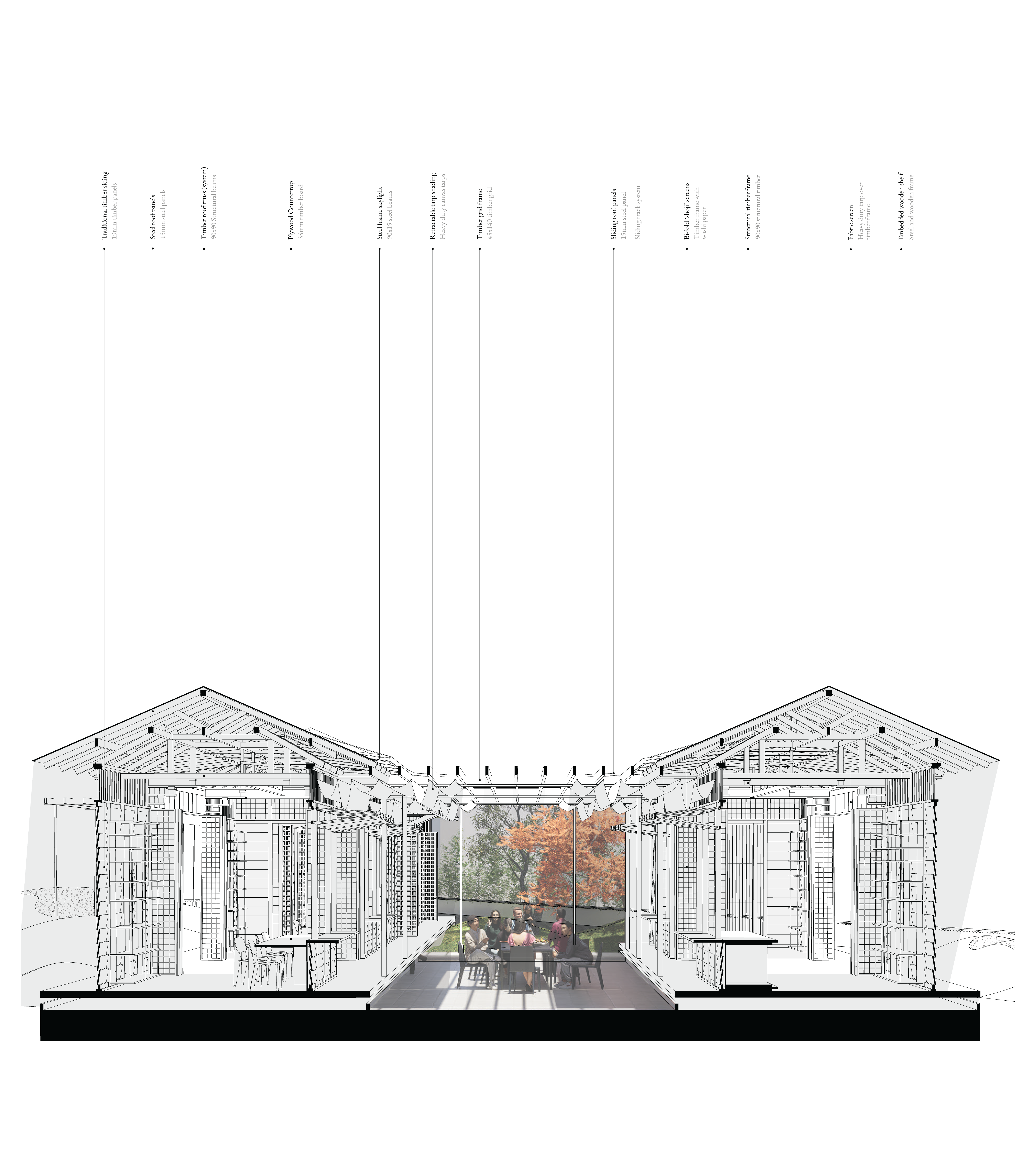
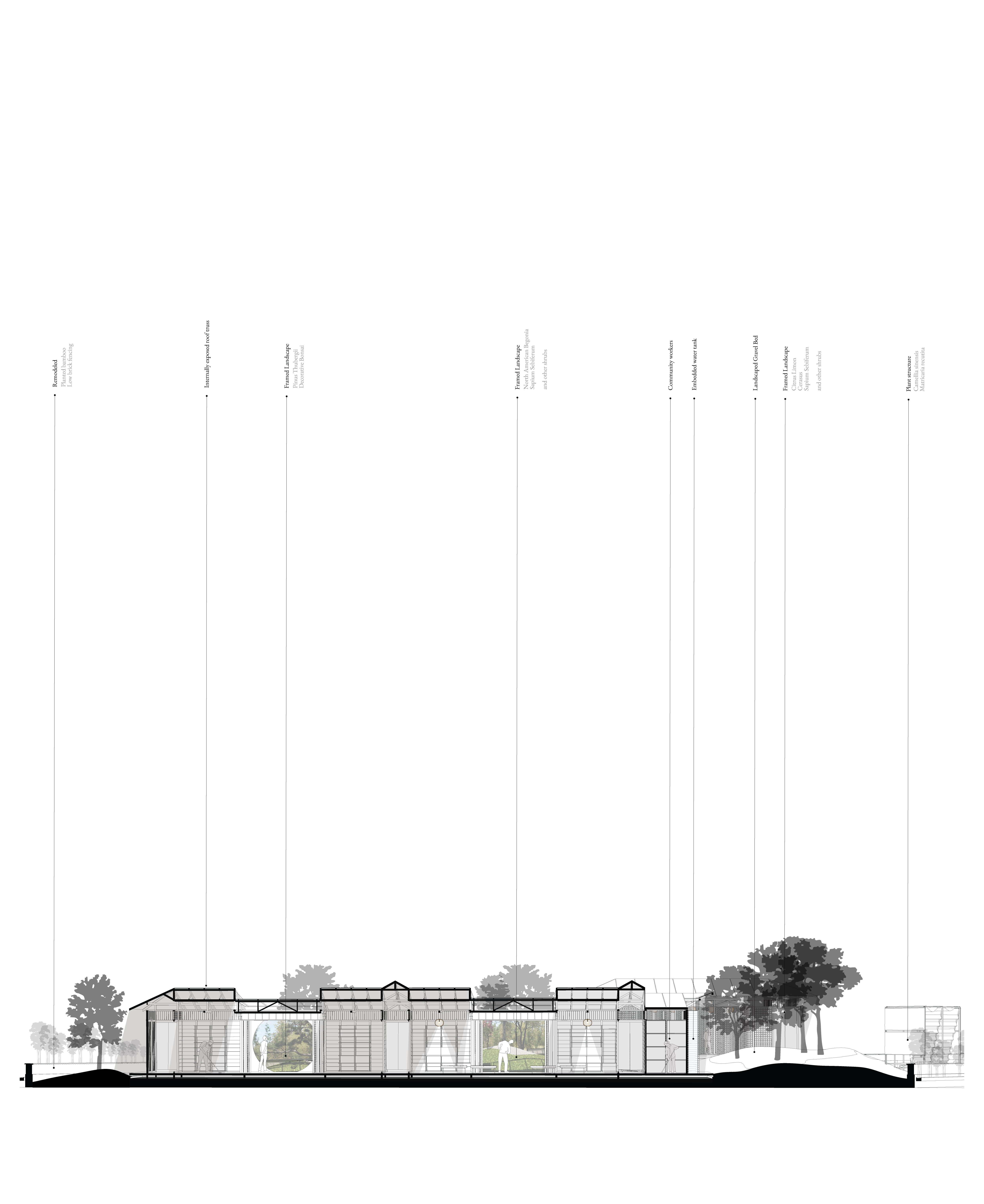
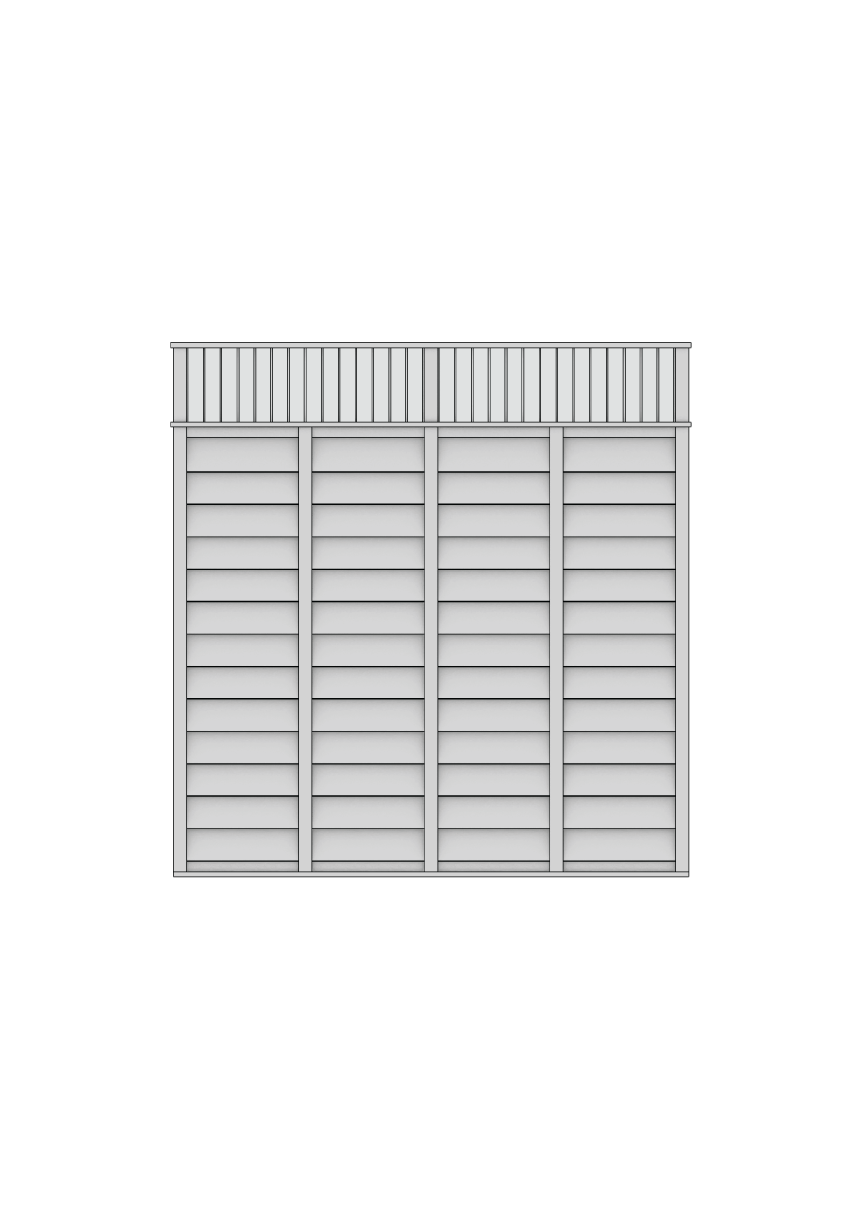
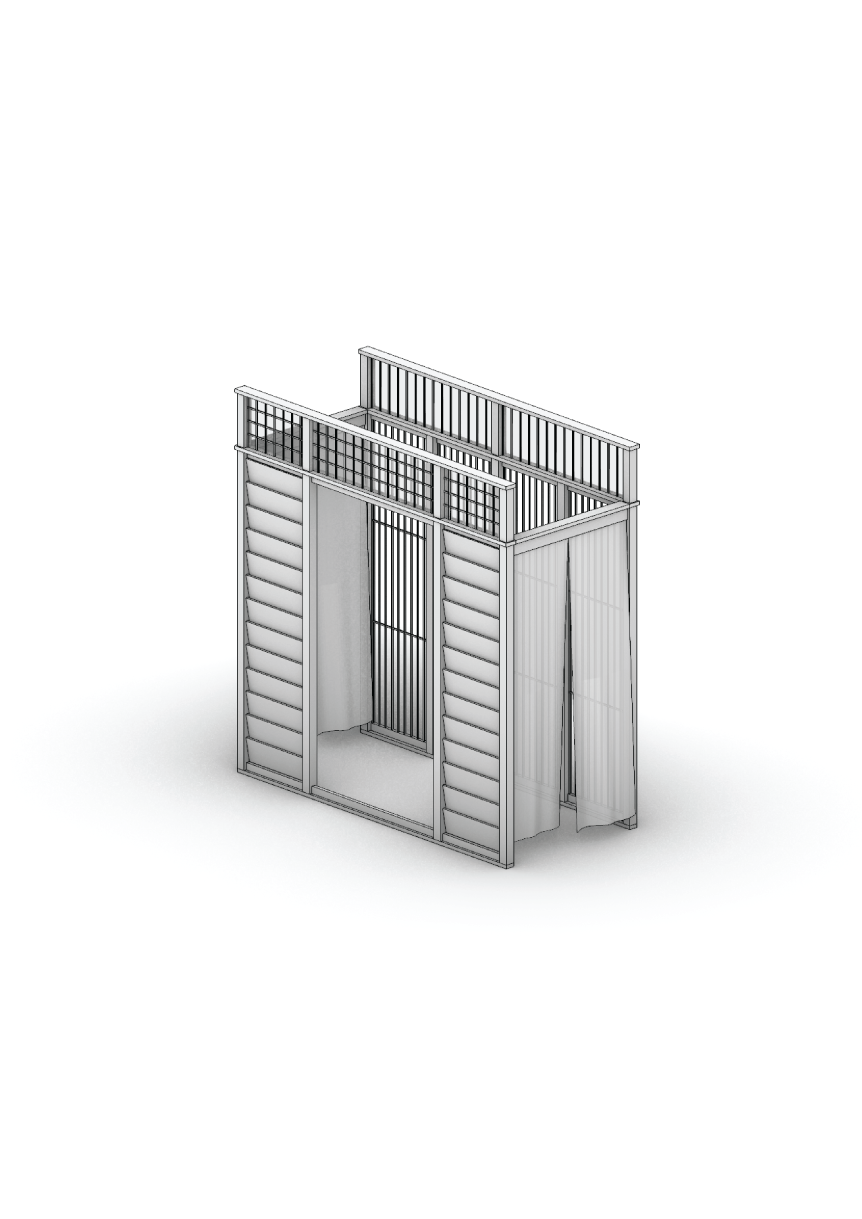
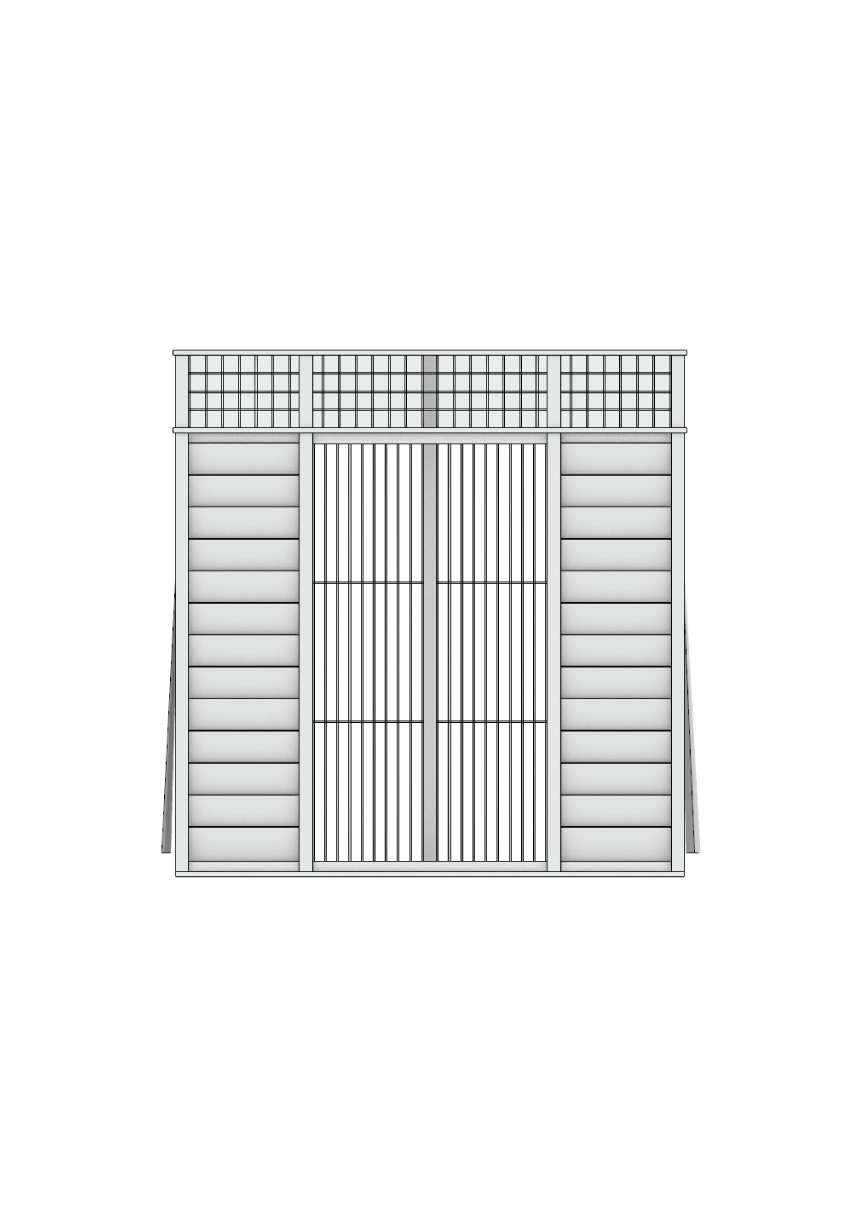
Drawing inspiration from principles of Oriental garden design, the project employs strategies such as framing, auditory sequencing, and staged encounters to choreograph movement and interaction. These devices foster moments of intimacy, reflection, and gathering, offering a nuanced layering of experience across the site. By integrating these sensibilities with the site’s existing character and values, the design aspires to cultivate a new typology of communal landscape—one that invites continuous reengagement and collective authorship.